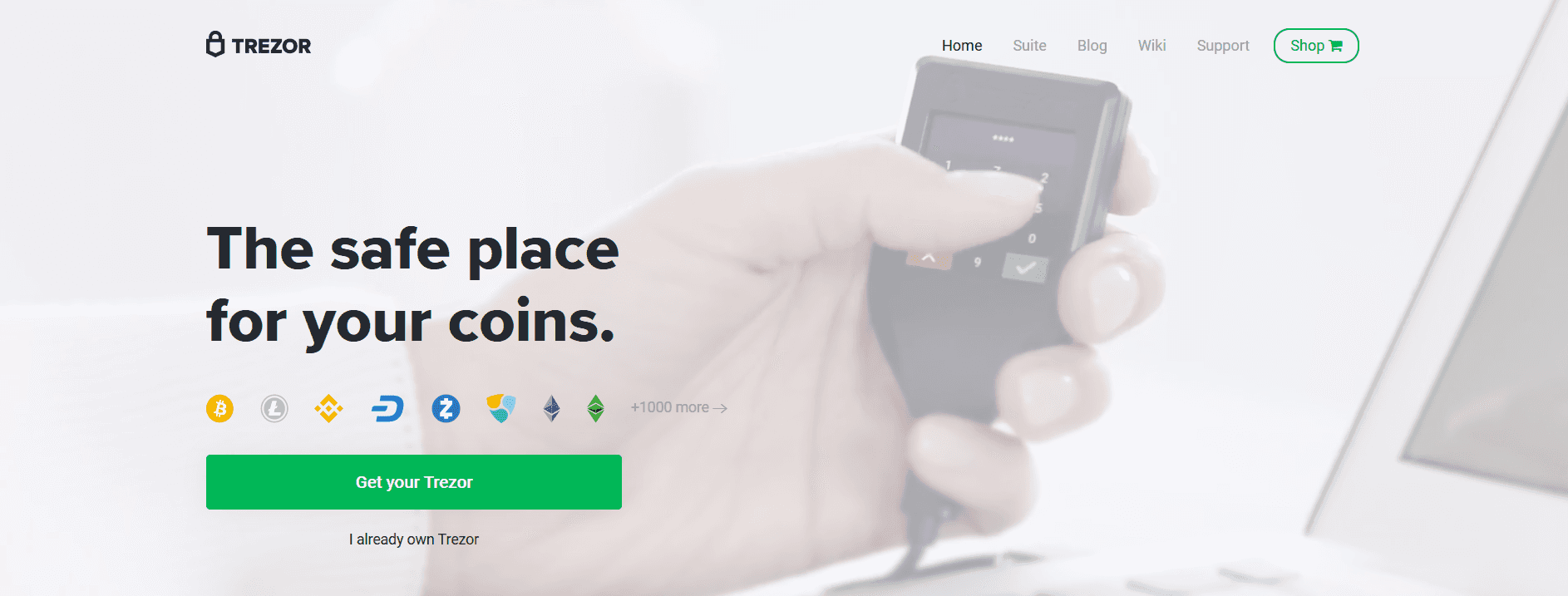
Trezor.io/start: Your Gateway to Secure Cryptocurrency Management
Trezor hardware wallets are among the most trusted tools for securely storing and managing cryptocurrency. To get started with Trezor, users are guided to the official setup platform, often referred to as Trezor.io/start. This platform provides step-by-step instructions for initializing your device, installing the official software, and creating a secure wallet.
The goal of this guide is to explain the entire Trezor setup process, security considerations, and best practices for beginners and advanced users.
What is Trezor.io/start?
Trezor.io/start is not just a website; it’s a centralized guide for safely initializing your Trezor hardware wallet. Its main purposes include:
Directing users to the official Trezor Suite software.
Providing step-by-step instructions for setting up the wallet.
Offering educational material on securing cryptocurrency.
Ensuring users avoid phishing attacks by accessing only official resources.
By using this platform, users can ensure they are following verified setup procedures, reducing risks of malware or fraud.
Why Use Trezor.io/start?
Using the official start guide ensures:
Device authenticity: Confirms that your Trezor hardware wallet is genuine and untampered.
Safe installation: Leads to the official Trezor Suite application for desktop or web.
Guided setup: Provides clear steps for initializing your wallet, creating a PIN, and generating a recovery seed.
Security education: Teaches users best practices for cryptocurrency management, including backup and recovery.
By avoiding unofficial guides or third-party downloads, users minimize exposure to scams and malicious software.
Essential Items Needed for Setup
Before beginning, make sure you have:
Trezor hardware wallet (Model T or Trezor One).
Computer or laptop with USB support.
Stable internet connection to download official software.
Notebook and pen for securely recording your recovery seed.
Note: The recovery seed should never be stored digitally or shared online.
Step-by-Step Guide to Setting Up Your Trezor Wallet
Step 1: Connect Your Device
Plug your Trezor wallet into your computer via USB.
If using Trezor Model T, touch the screen when prompted.
Step 2: Install Trezor Suite
Access the official setup platform to download Trezor Suite.
Install the software on your desktop (Windows, macOS, Linux).
Launch Trezor Suite and allow it to detect your device.
Step 3: Initialize Your Wallet
Choose whether to create a new wallet or recover an existing wallet.
If creating a new wallet, the device will generate a 12–24 word recovery seed.
Write the recovery seed on the provided card or notebook—do not store it digitally.
Step 4: Set Your PIN
Enter a PIN directly on the device.
Use the randomized keypad feature to prevent keylogging attacks.
The PIN ensures that unauthorized users cannot access your wallet even if the device is connected to a compromised computer.
Step 5: Confirm Recovery Seed
The device will ask you to confirm your recovery seed.
Follow the on-screen instructions carefully to ensure accuracy.
Proper confirmation ensures that your wallet can be restored in case of loss or damage.
Step 6: Access Trezor Suite
After setup, Trezor Suite will display your wallet interface.
You can now view balances, manage accounts, send and receive cryptocurrency, and connect to trusted third-party services.
Security Best Practices
1. Protect Your Recovery Seed
Store your seed offline, in a secure location.
Never take photos or store it digitally.
Consider using fireproof or waterproof storage methods.
2. Verify Device Authenticity
Check the device packaging and holograms for tampering.
Use the official Trezor setup platform to ensure the device is genuine.
3. Use Strong PINs and Passphrases
Use a PIN code that is hard to guess.
Optional passphrases can create hidden wallets for sensitive assets.
4. Confirm Transactions on the Device
Always verify recipient addresses and amounts on the hardware wallet before approving.
This prevents malware or phishing attacks from redirecting funds.
Recovery and Backup
If your device is lost, stolen, or damaged:
Acquire a new Trezor hardware wallet.
Choose Recover Wallet during setup.
Enter your 12–24 word recovery seed.
Set a new PIN.
Access your cryptocurrency securely.
Recovery ensures your funds remain safe even if the physical device is unavailable.
Common Troubleshooting Issues
Device Not Recognized
Check USB connection and try a different port or cable.
Restart Trezor Suite.
Ensure firmware is updated.
PIN or Seed Errors
Multiple incorrect PIN entries will temporarily lock the device.
Use the recovery seed to regain access if necessary.
Transaction Issues
Verify that you are on the correct network and selected the right account.
Confirm all transaction details on the hardware device.
Advantages of Using Trezor.io/start
Official guidance: Directs users to verified resources, avoiding phishing scams.
Structured setup: Clear steps ensure that wallet initialization is secure.
Security-first approach: Focuses on offline key storage, PIN protection, and recovery best practices.
Confidence for beginners: Even first-time cryptocurrency users can securely set up their wallets.
Conclusion
Trezor.io/start serves as the essential starting point for anyone using a Trezor hardware wallet. It ensures a secure and guided setup process, reducing risks associated with phishing, malware, or human error. By following the platform’s instructions, users can:
Verify their device’s authenticity.
Install Trezor Suite safely.
Initialize a wallet with a secure PIN and recovery seed.
Access accounts, manage balances, and send/receive cryptocurrency safely.
Key Takeaways:
Always follow official setup instructions.
Protect your recovery seed offline.
Confirm all transactions on the hardware device.
Use PINs and optional passphrases for additional security.
Trezor.io/start is the gateway to safe and confident cryptocurrency management, giving users the tools they need to protect their digital assets from the very first step.